Guided Tour of the French Revolution
Relive July 14, 1789, and the Storming of the Bastille, hour by hour
The Tour: Follow in the Footsteps of the Revolutionaries
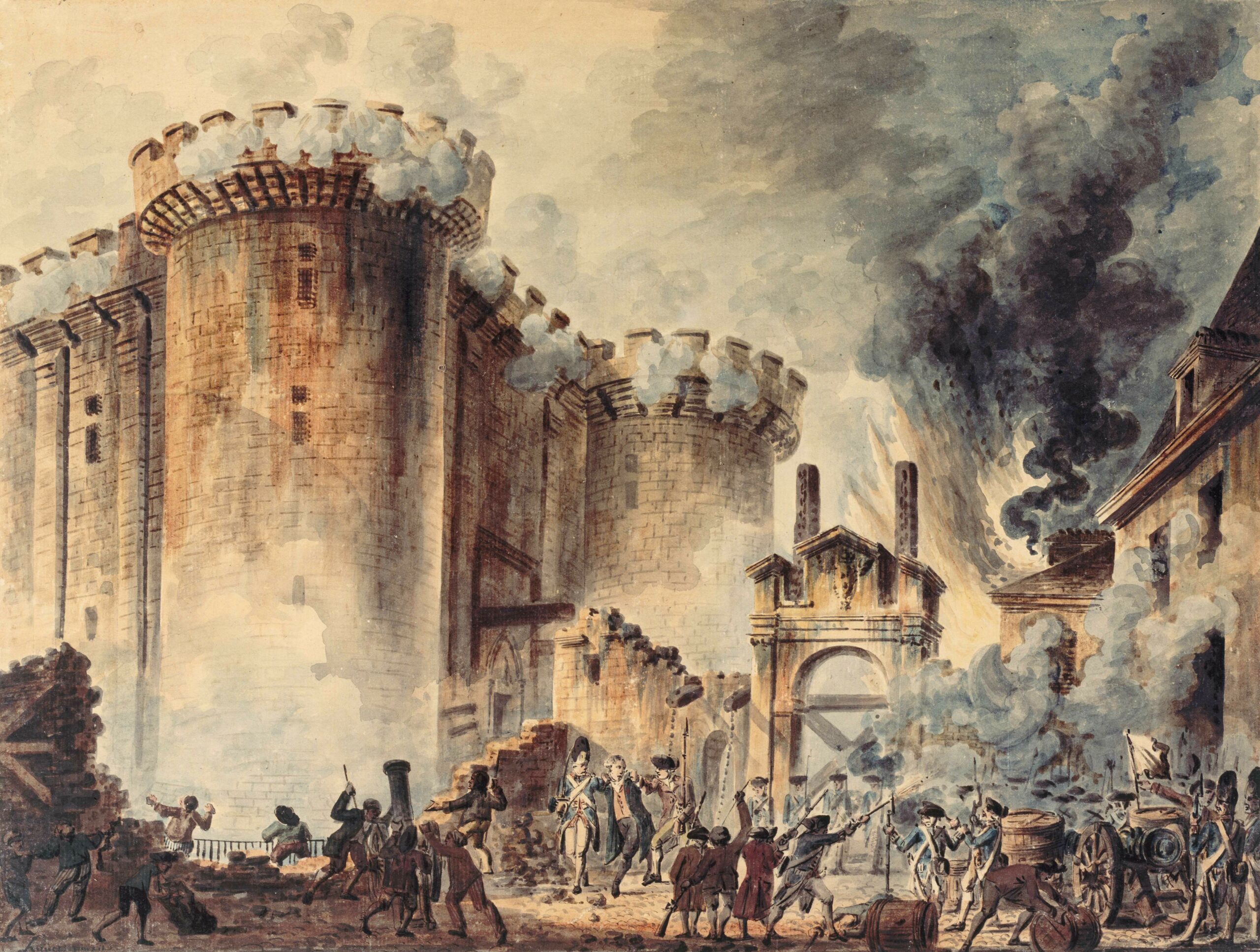
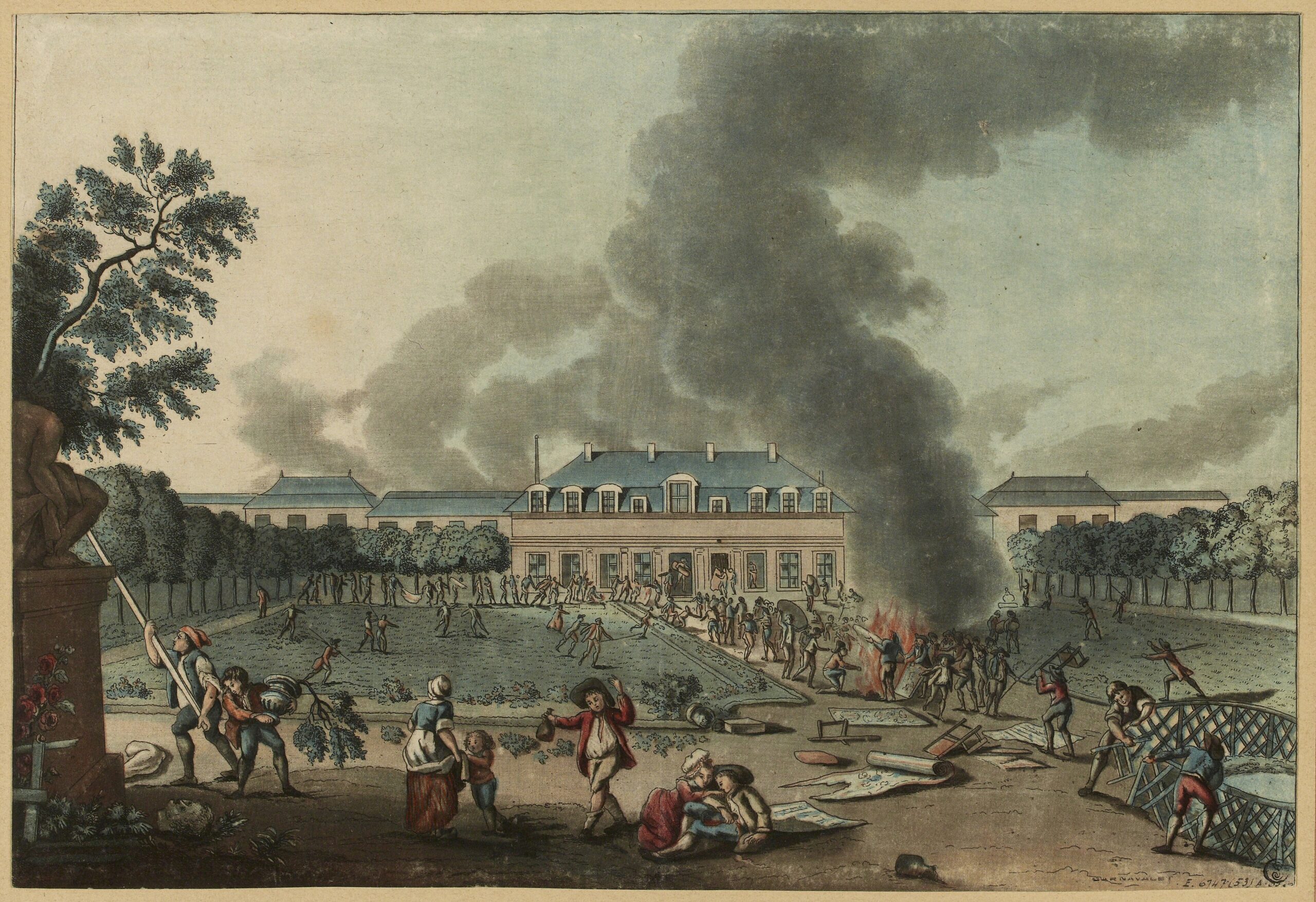
July 14, 1789, is undoubtedly the most famous date in French history. A day like no other, a day when the people of Paris decided to take action, a day that would shape history, the arts, philosophy and every aspect of society, but above all, leave its mark on women and men in their quest for freedom and equality. July 14, 1789, was the Storming of the Bastille. It marked the end of an old world and the beginning of the French Revolution and the modern era. But what really happened on that hot summer’s day in 1789? Yes, the Bastille was stormed, but why? And what remains of this historic event in Paris today? You may be surprised to discover that not everything we have been told is necessarily true.
The tour
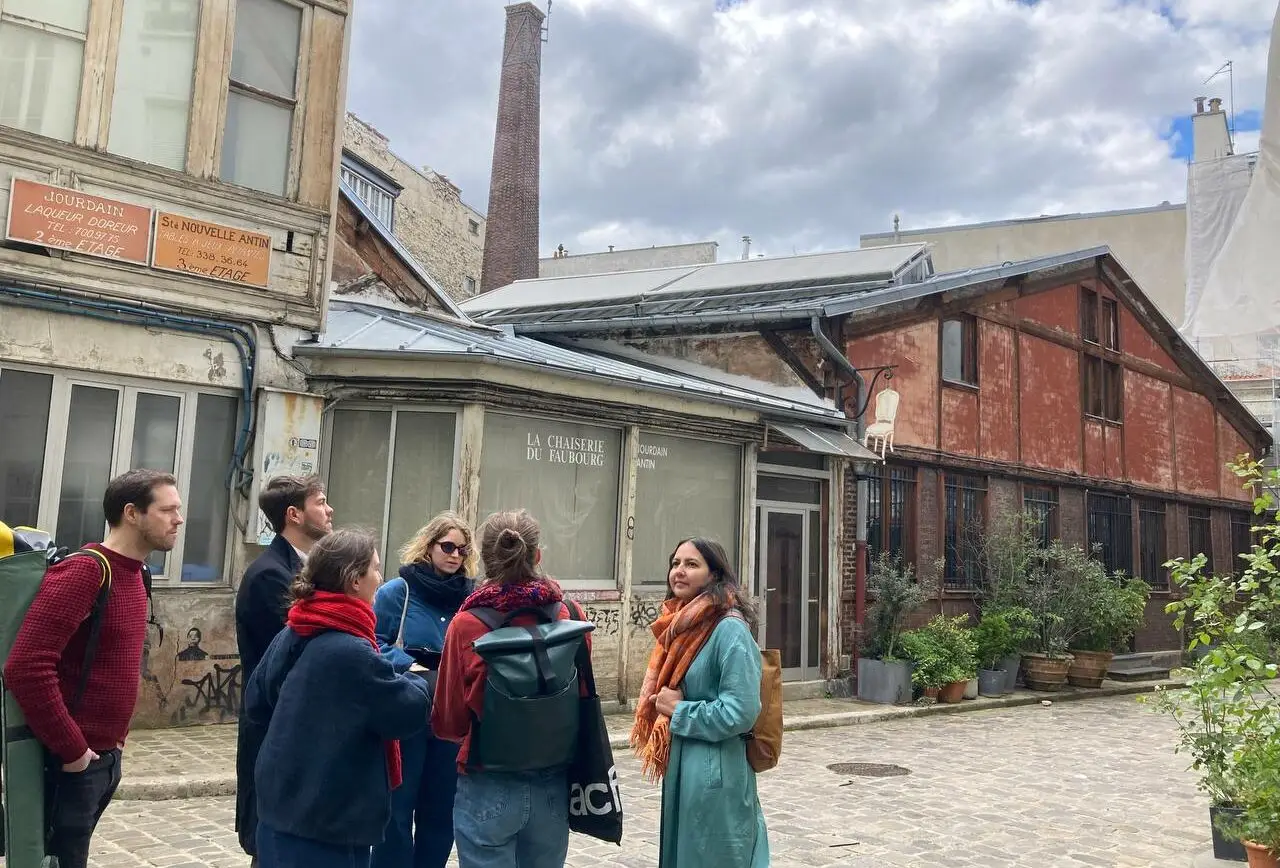
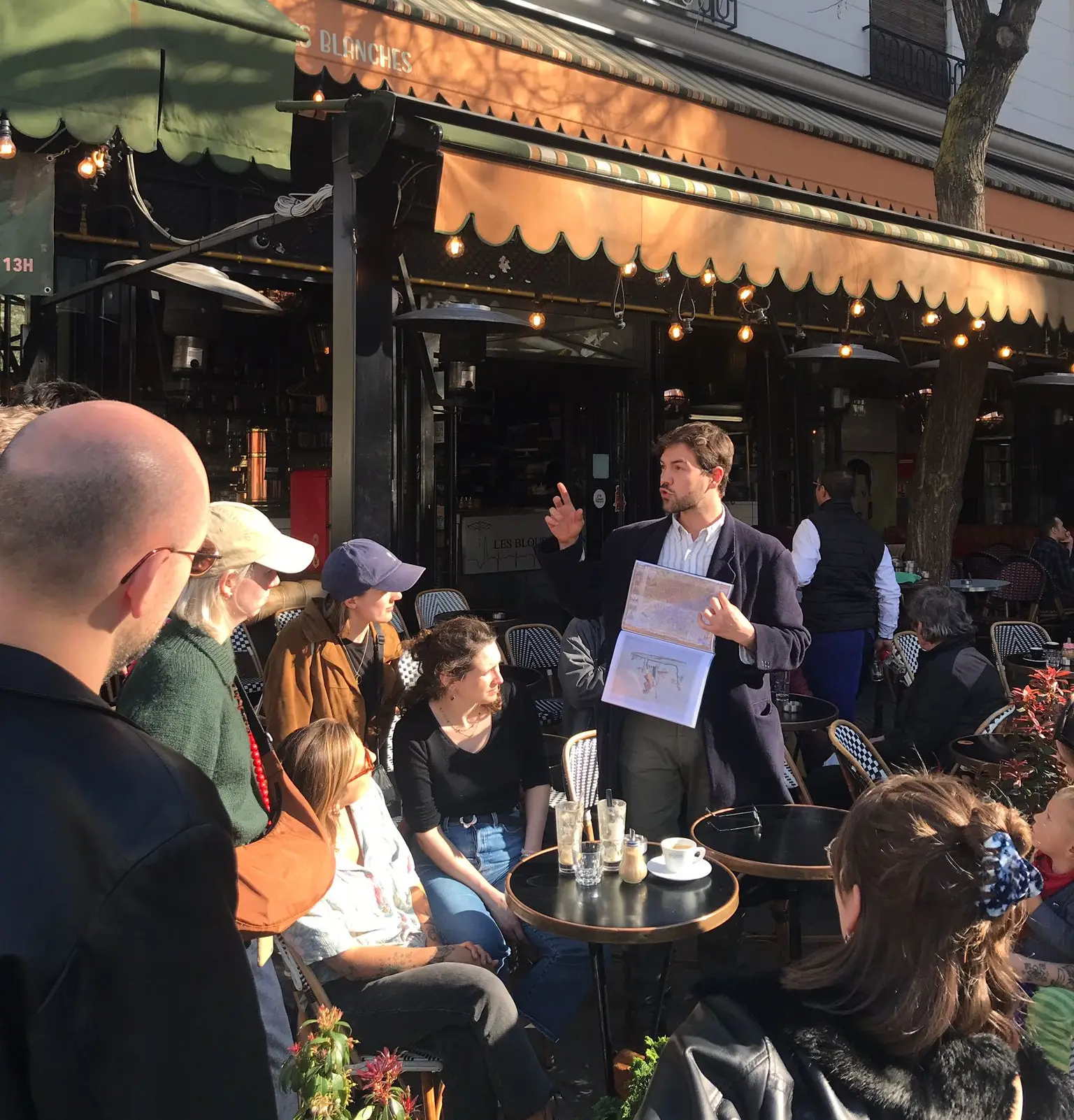
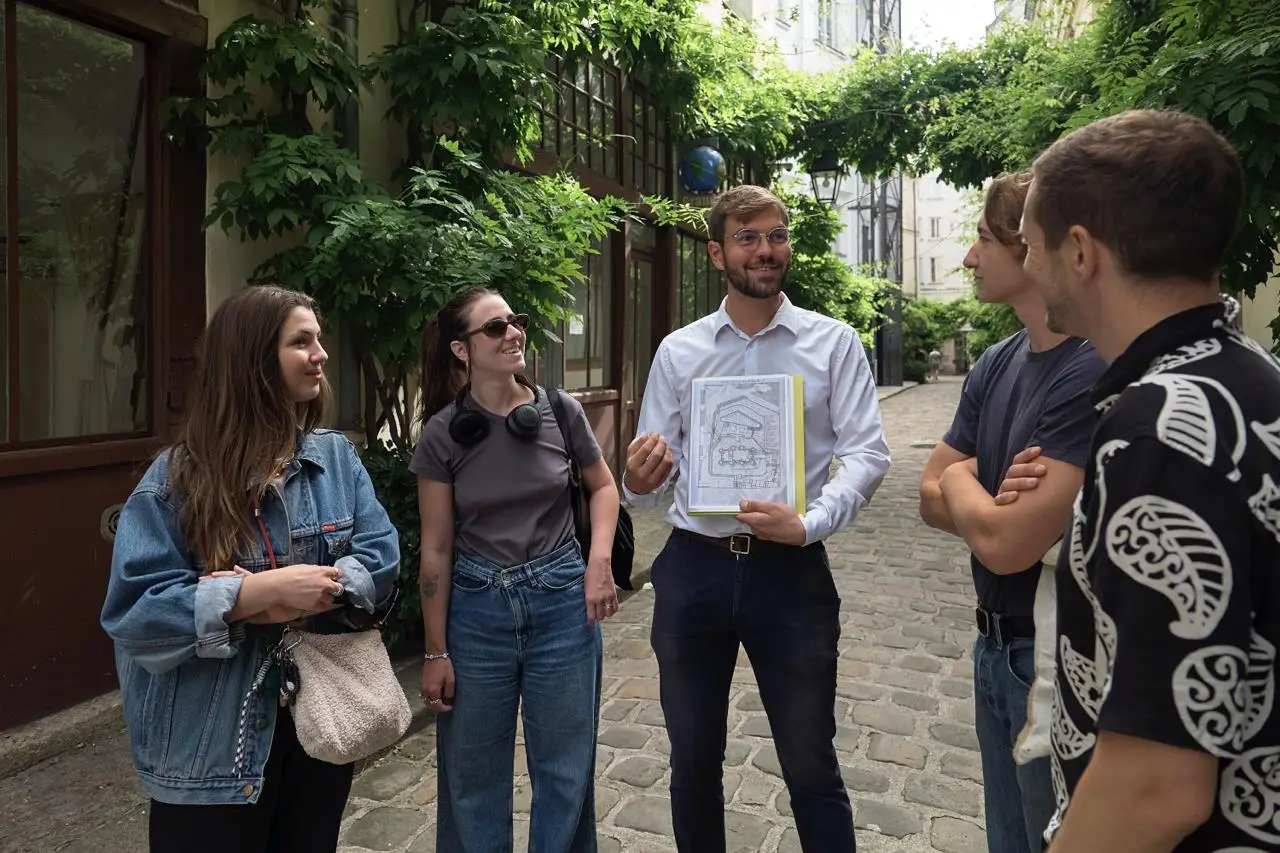
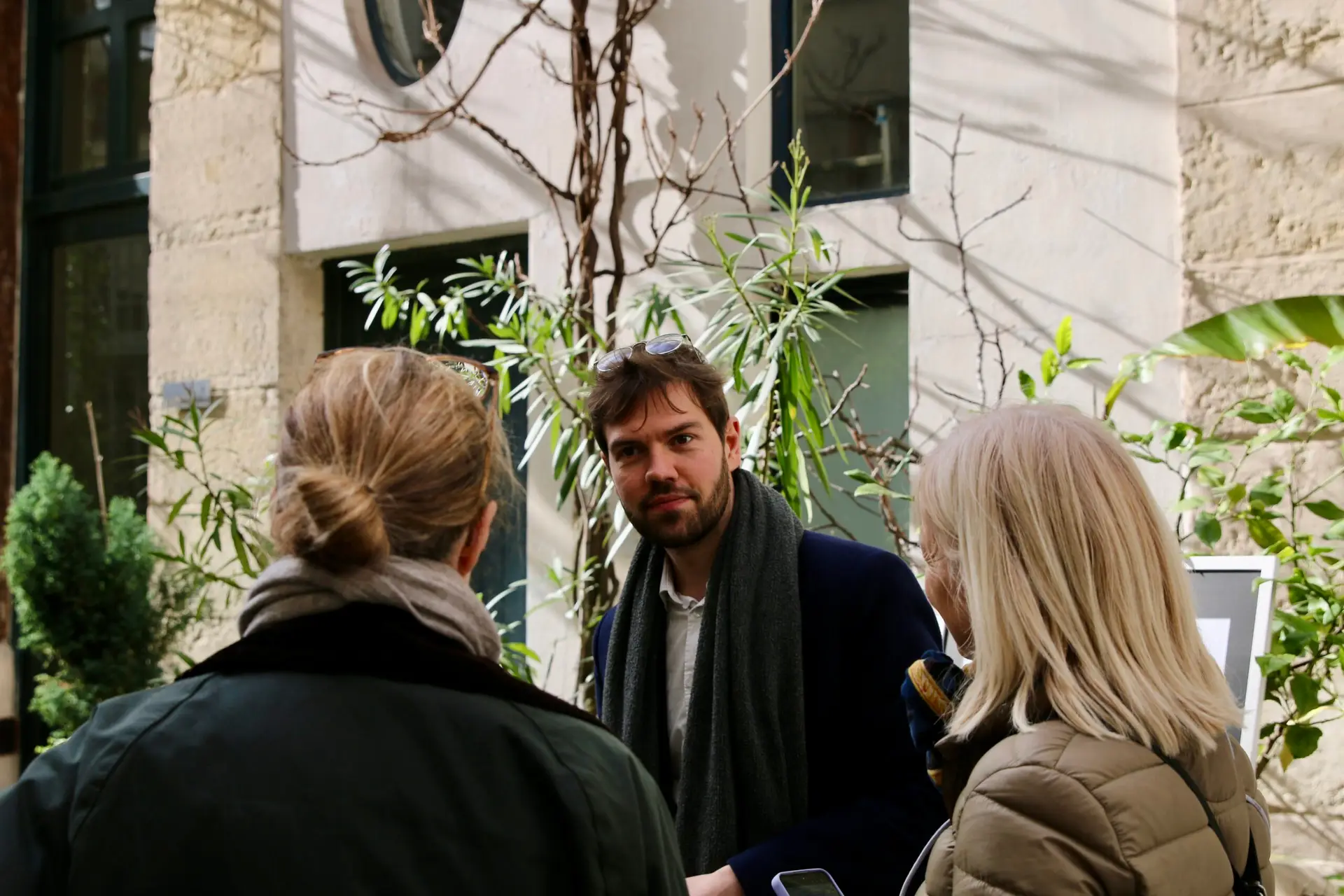
This immersive guided tour takes you back to the heart of revolutionary Paris to relive July 14, 1789, hour by hour. I’m Robin, your guide, and I’ll lead you through the streets of the Faubourg Saint-Antoine and around the Bastille, two key sites of the French Revolution. It was here that Parisians — artisans, cabinetmakers and workers — were among the first to rise up and help write one of the most defining chapters in French history.
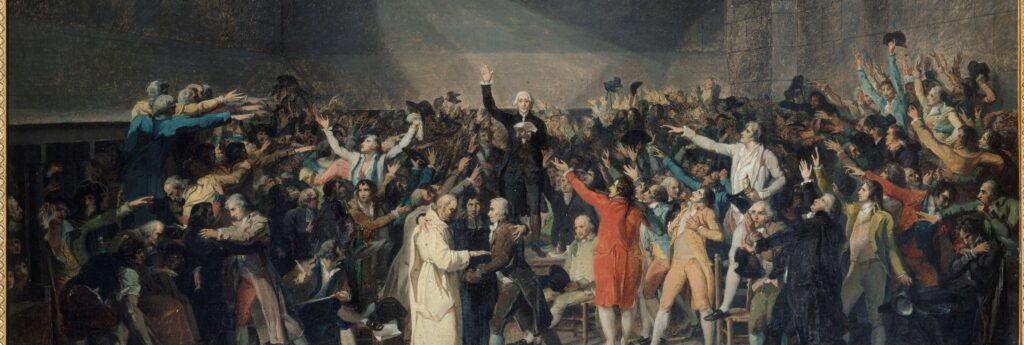
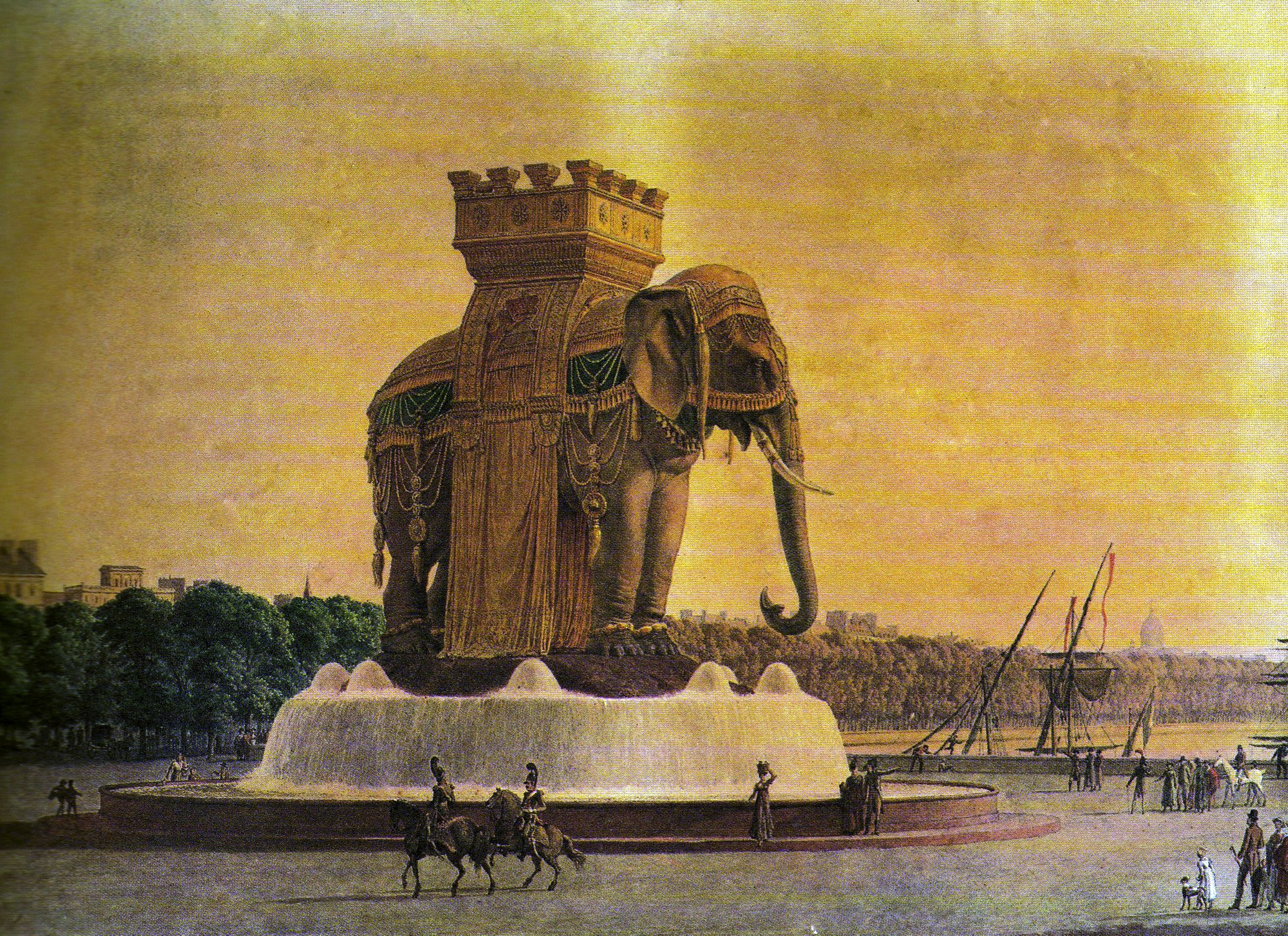
To understand this pivotal event, we’ll explore the social, economic and political context of late eighteenth-century France: the influence of the American Revolution, the ideas of the Enlightenment, the rise of printing and newspapers, disastrous harvests and the threat of famine. We’ll wander through the streets and past the buildings where the revolutionary sans-culottes lived and worked. We’ll uncover the early signs of popular unrest by visiting key sites of protest, and examine the Estates-General of 1789 and the events that led to July 14. Step by step, we’ll retrace the course of this decisive day, from growing public anger to the assault on the fortress, and discover how the events of July 14, 1789, transformed Paris and changed the world. Along the way, we’ll bring historical figures such as Camille Desmoulins, Marie Antoinette, Jacques Necker, Napoleon Bonaparte and Louise Reine-Audu back to life, exploring their roles in the events that unfolded. Above all, this tour is a journey through time and history. It is also an opportunity to discover Paris’s architectural heritage, whose silent façades still bear witness to the turmoil unleashed by the revolutionary sans-culottes of 1789.
Finally, it’s a chance to explore one of Paris’s most iconic neighbourhoods — the very streets where the ideals of liberty, equality and fraternity took shape.
Practical Information: French Revolution Guided Tour
Plan Your Visit
Meeting point: 1 Place du Dr Antoine Béclère, 75012 Paris (in front of the entrance to Saint-Antoine Hospital).
End point: Place de la Bastille, 75004 Paris.
Public tour group size: Up to 10 participants.
Duration: 1 hour 30 minutes (up to 2 hours, depending on the group and walking pace).
Walking distance: 2 km.
Explore Further
Where to Eat
Chez Paul — A traditional French bistro serving authentic cuisine since 1900. (13 Rue de Charonne, 75011 Paris)
La Tapisserie – Pâtisserie — A quality pastry shop where you can enjoy French classics such as flan pâtissier, cream puffs and other sweet treats. (65 Rue de Charonne, 75011 Paris)
Where to Grab a Drink
Chez Mylène — A relaxed, open-air bar with a guinguette atmosphere along the canal. (67 Boulevard de la Bastille, 75012 Paris)
Patrick’s – Le Ballon Vert — An Irish pub with references to the first hot-air balloon, which has historical significance in the neighbourhood.
Artisans and Artists
L’Atelier Mendrisse — An artists’ studio and gallery. (12 Place de la Bastille, 75011 Paris)
Atelier Lecchi — A workshop and gallery showcasing craftsmanship, furniture and art objects. (12 Rue Saint-Bernard, 75011 Paris)
Cultural and Historical Sites
Picpus Cemetery — A historic cemetery that notably houses the tomb of General Lafayette, a key figure in both the American and French Revolutions. (35 Rue de Picpus, 75012 Paris)