

Guided Tours on the Revolutions in Paris
The French Revolutions Tours
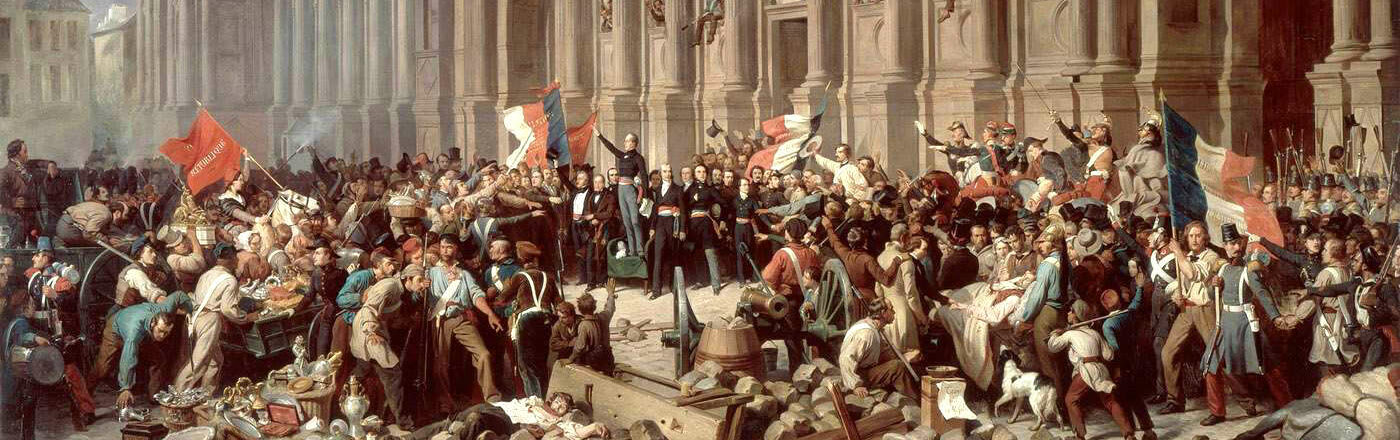
If there is one truly revolutionary city, it is Paris. The French capital has always been home to a restless and outspoken population in search of freedom and equality. Through these guided tours, I invite you to explore the revolutions and revolutionary movements that have shaped the city and left their mark on Parisian architectural heritage. Who were the children, women and men who, generation after generation, fought for their ideals? These tours also offer a way to tell the story of the great events of history through the lives of the people of Paris and France. 1229, 1789, 1830, 1832, 1848, 1871… Each of these dates represents a different set of struggles, lives and aspirations, driven by republican, democratic and revolutionary ideals. “Paris is a moveable feast,” wrote Hemingway. But above all, Paris is a revolution.
French Revolution Tour: Relive the Bastille Day, Hour by Hour
July 14, 1789: The Storming of the Bastille. We all learn this date at school, whether in France or abroad. It marks the transition from the Old Regime to the Modern Era. But what really happened on that day?
Over time, the Storming of the Bastille has become a symbol, one that has been used, distorted and exploited to the point where its original causes, meaning and even essence have been lost.
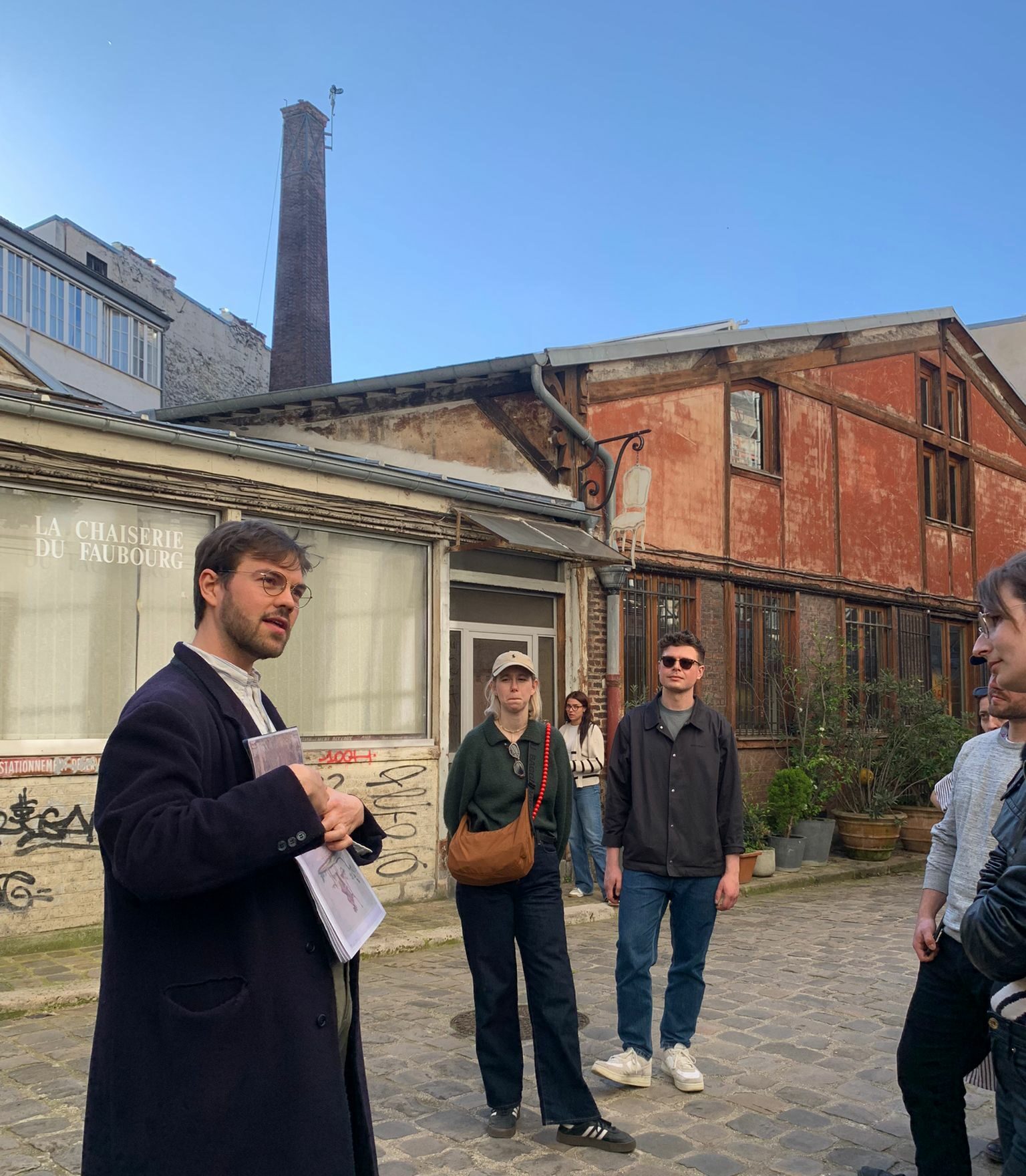
Like a return to the classroom, we will relive this day hour by hour, discover who these revolutionaries were, and explore what remains of this historic event and its era in Paris, particularly in the Faubourg Saint-Antoine district.
The 1830 Revolution Tour through Paris’s Covered Passages
July 27, 28 and 29, 1830: The Three Glorious Days. These three days marked a turning point in French history, yet their significance remains surprisingly unclear to many French people today.
What was the July Revolution? Who was the people rebelling against? Why did Parisians rise up? These questions can only be answered by placing the events within the turbulent political and social context of the early 19th century.
The Republic had been swept away, Napoleon’s Empire defeated, and the Monarchy restored. Yet in 1830, broadly speaking, it was the same generation of Parisians who had lived through these different political regimes, still thirsting for freedom and equality.
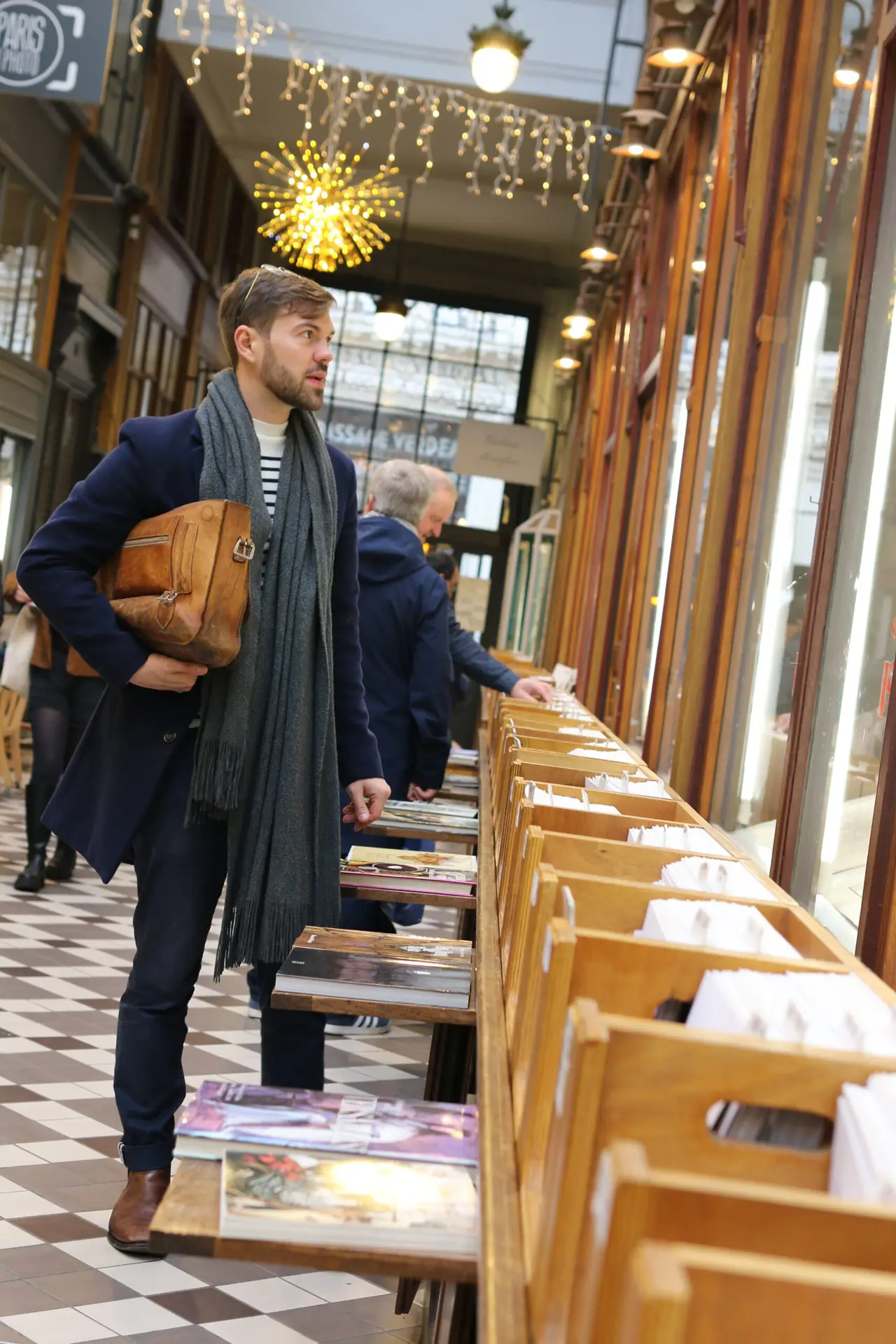
So, let us explore the covered passages of Paris, architectural innovations of this period, and meet the women and men who fought for their freedom.
Latin Quarter and May 1968 Tour
The Latin Quarter is one of Paris’s most iconic neighbourhoods, attracting tourists in search of the Parisian lifestyle and culture admired around the world. Indeed, this peaceful, intellectual district exudes a certain art de vivre, where students, artists and booksellers cross paths.
Yet this is only the picture-postcard image of the Montagne Sainte-Geneviève, as the hill is known. To understand the true identity of this neighbourhood, we must venture off the beaten track and explore the turbulent history reflected in its streets and squares.
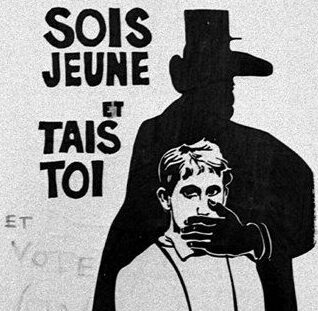
Students have inhabited this historic heart of Paris since the Middle Ages. They have brought it to life, fought in its streets and been driven from it… all the way to May 1968, the climax of student protest.
This guided tour offers a fresh perspective on the neighbourhood’s urban landscape through the eyes of its students, helping us understand what the Latin Quarter truly is.