Guided Tour: The Revolution through the Covered Passages
The July Revolution of 1830 Between Empire, Monarchy and Republic
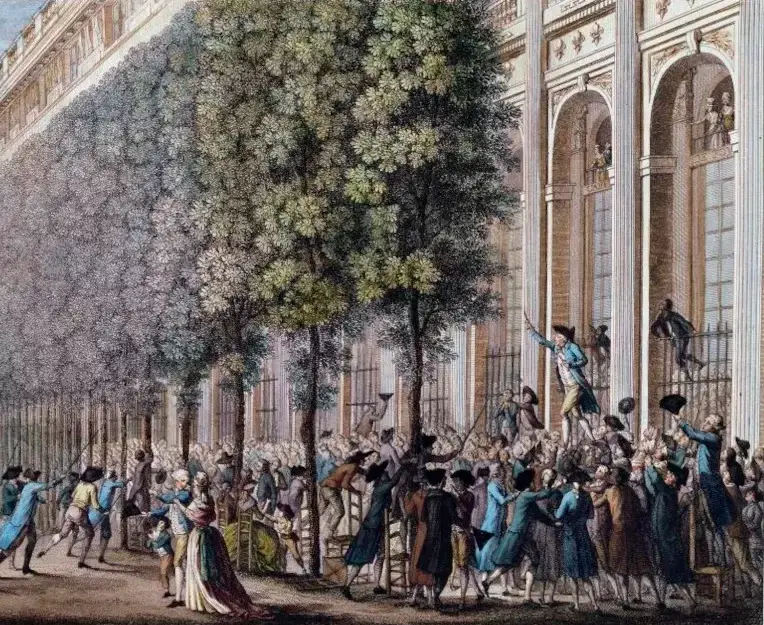
Yet above all, it is the pursuit of freedom that inspires the people of France, and Parisians in particular. Faced with an authoritarian king, the people of Paris rise up. Events unfold at breakneck speed. In just three days — July 27, 28 and 29 — the people overthrow a regime that seeks to curtail their freedoms.
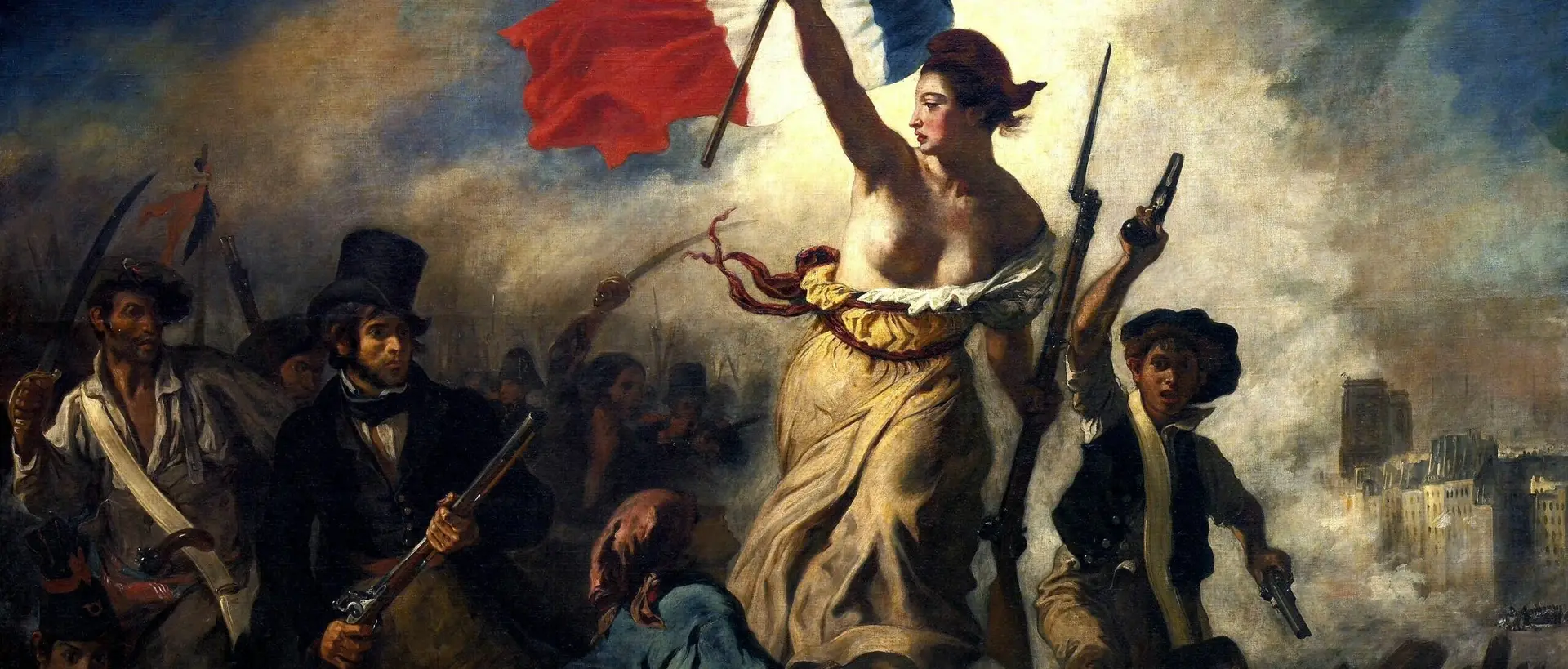
In memory of these three revolutionary days, known as the Three Glorious Days (Les Trois Glorieuses), the July Column is erected on the Place de la Bastille, while Delacroix paints his famous masterpiece, Liberty Leading the People. And yet the July Revolution remains one of the least familiar chapters of French history. Let’s rediscover this fascinating period in the history of France and Paris, exploring one of the most fashionable settings of the time: the covered passages.
The Tour
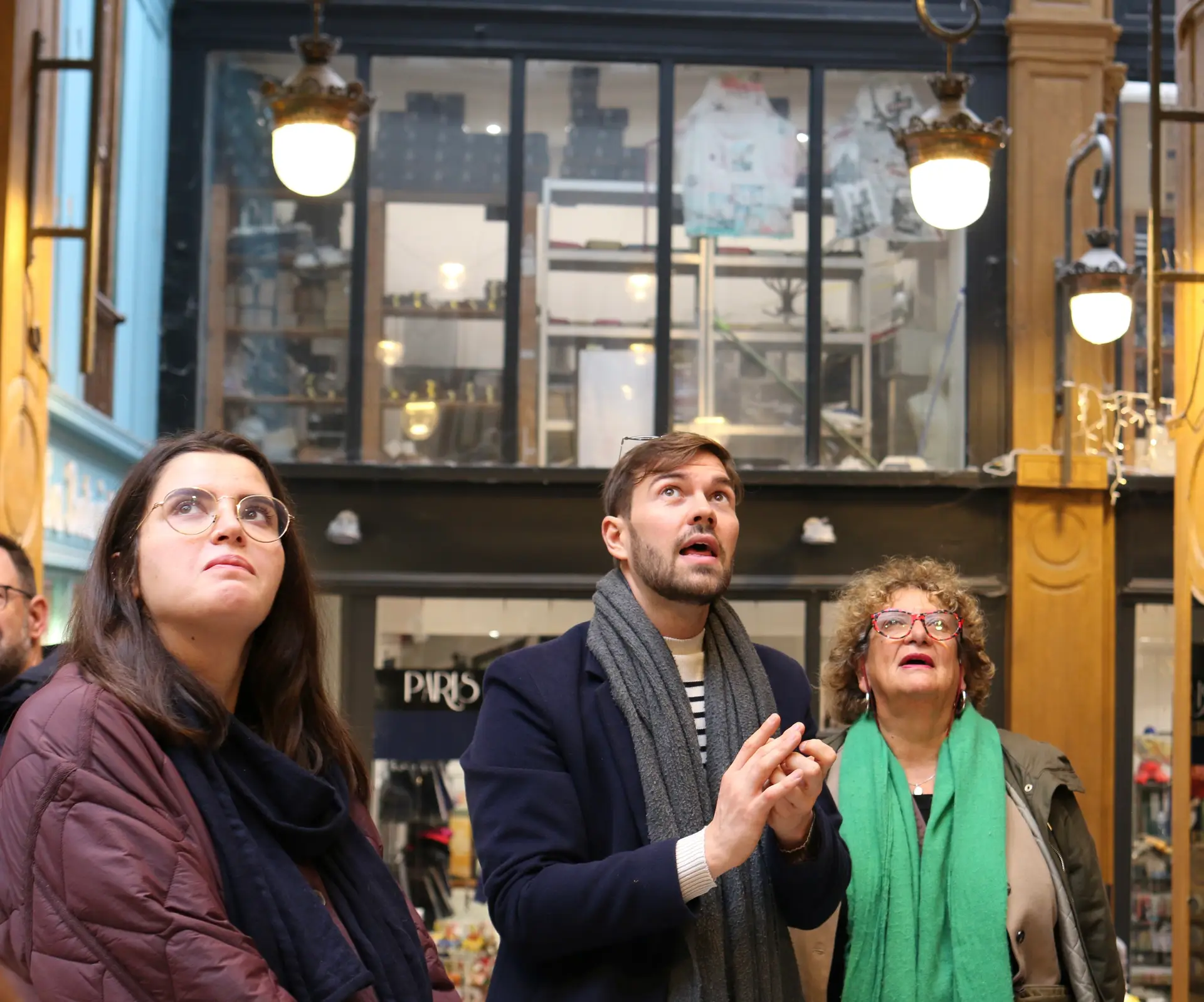
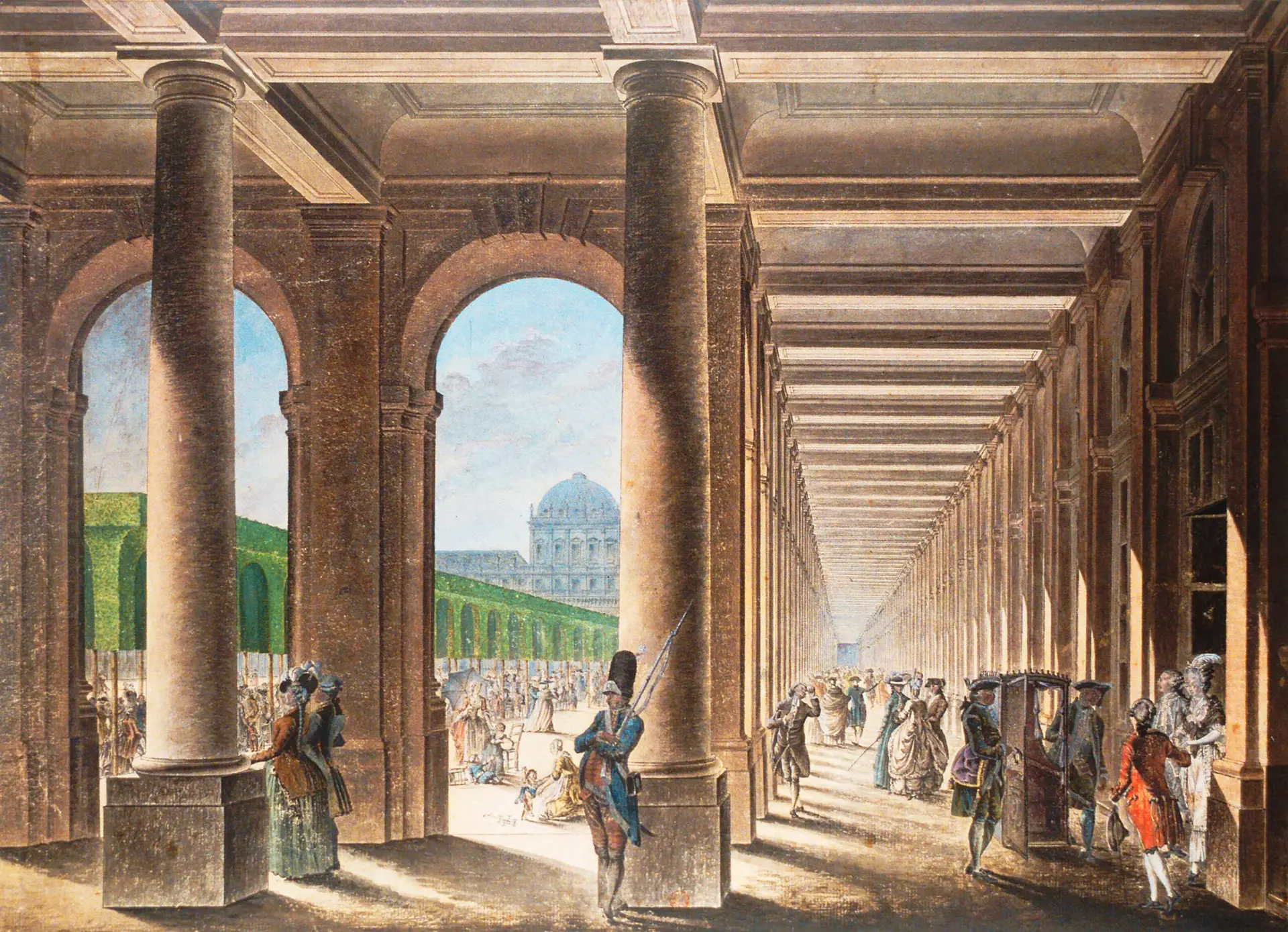
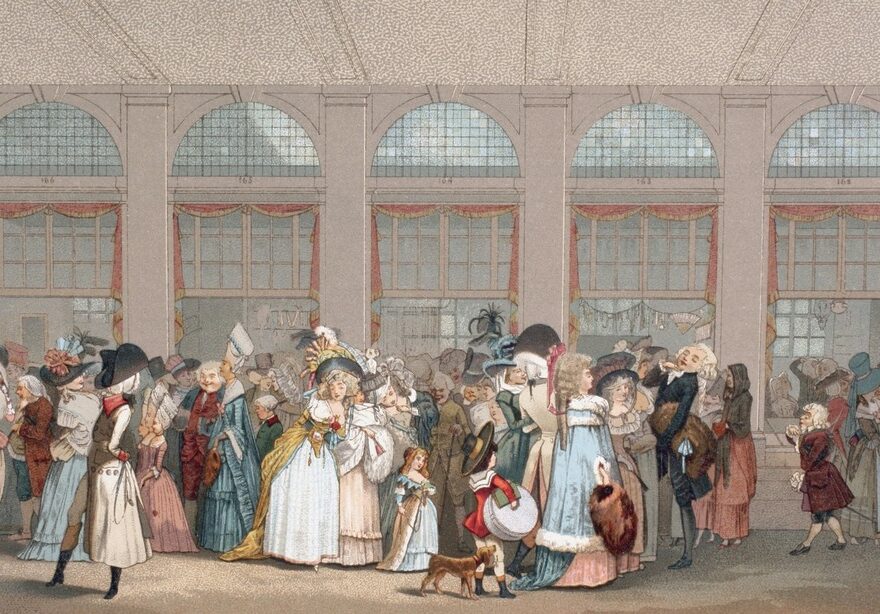
This guided tour takes you back to France and Paris in the first half of the nineteenth century. It was a period of intense political tension, but also one of profound change in the city’s urban landscape. Following the French Revolution of 1789, a remarkable new feature began to appear: the covered passages, a genuine innovation for their time.
Between 1800 and 1850, no fewer than 120 covered passages sprang up across the capital, creating a vast network of sheltered walkways protected from the elements. Their success was immediate. Parisians from all walks of life flocked to admire the shop windows, theatre posters and latest technological innovations.
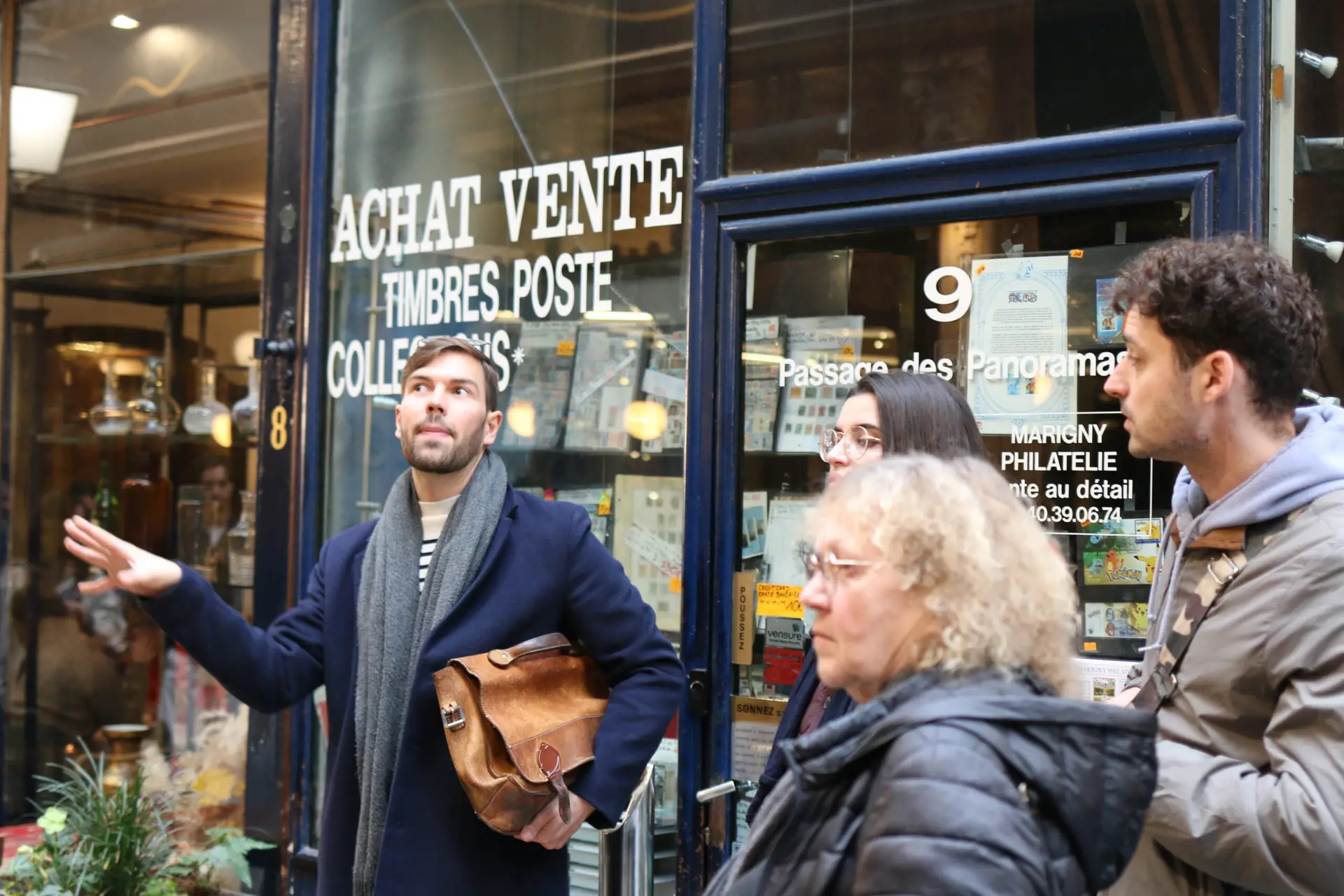
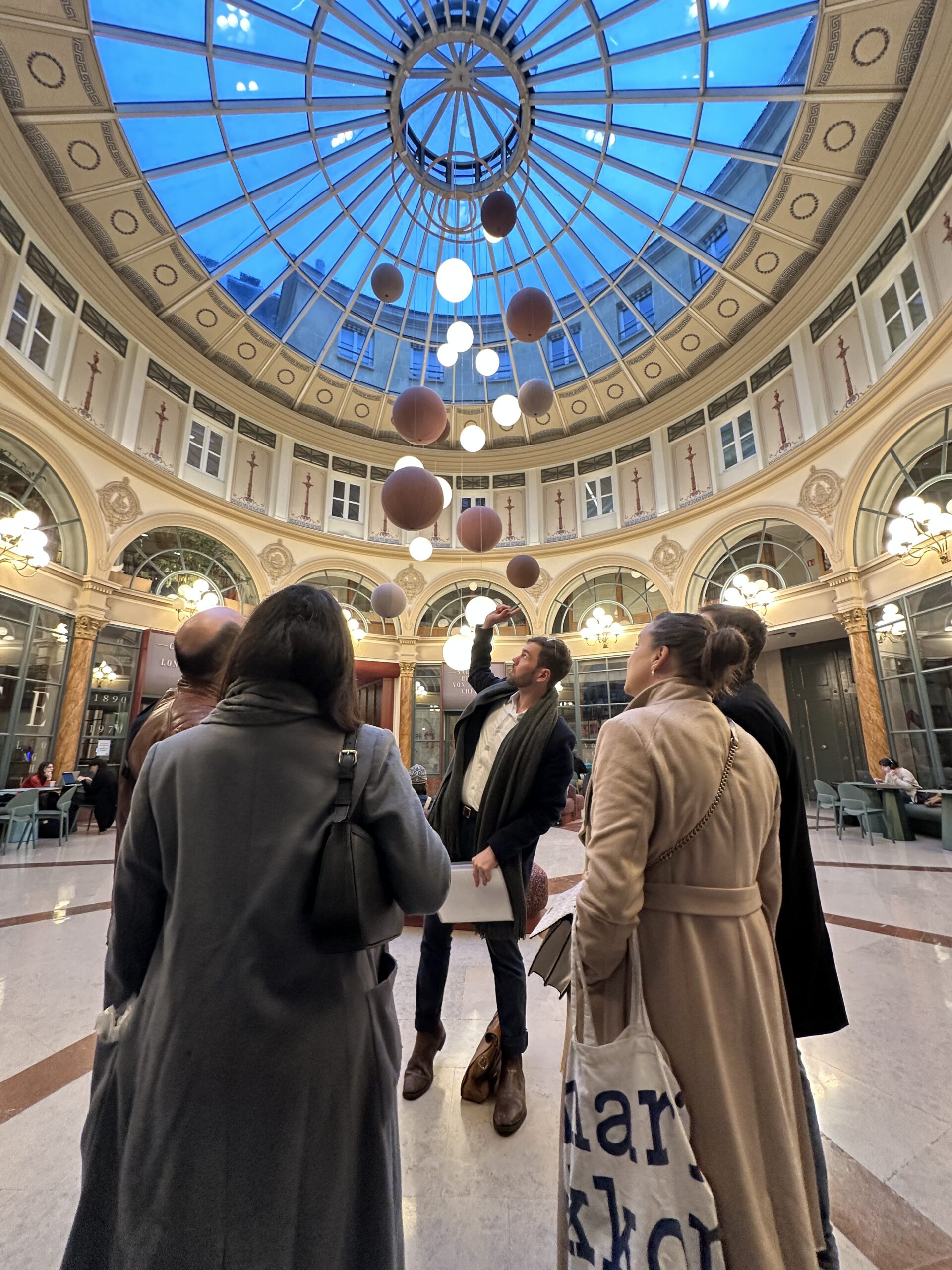
Yet these new temples of consumer culture also bear witness to a period of political instability in France. Regimes followed one another in rapid succession: the French Revolution laid the foundations for a freer, more egalitarian society; Napoleon’s wars claimed countless lives, while the grandeur of the French Empire continued to fascinate; and the Restoration brought back the old monarchical order. But the people of Paris and France had experienced freedom and discovered their ability to overthrow those in power. I’ll take you on a journey through the Palais-Royal and its galleries, the Galerie Colbert, the Galerie Vivienne, the Passage des Panoramas and beyond. We’ll explore the role these passages played in the emergence of new ways of shopping and thinking about commerce.
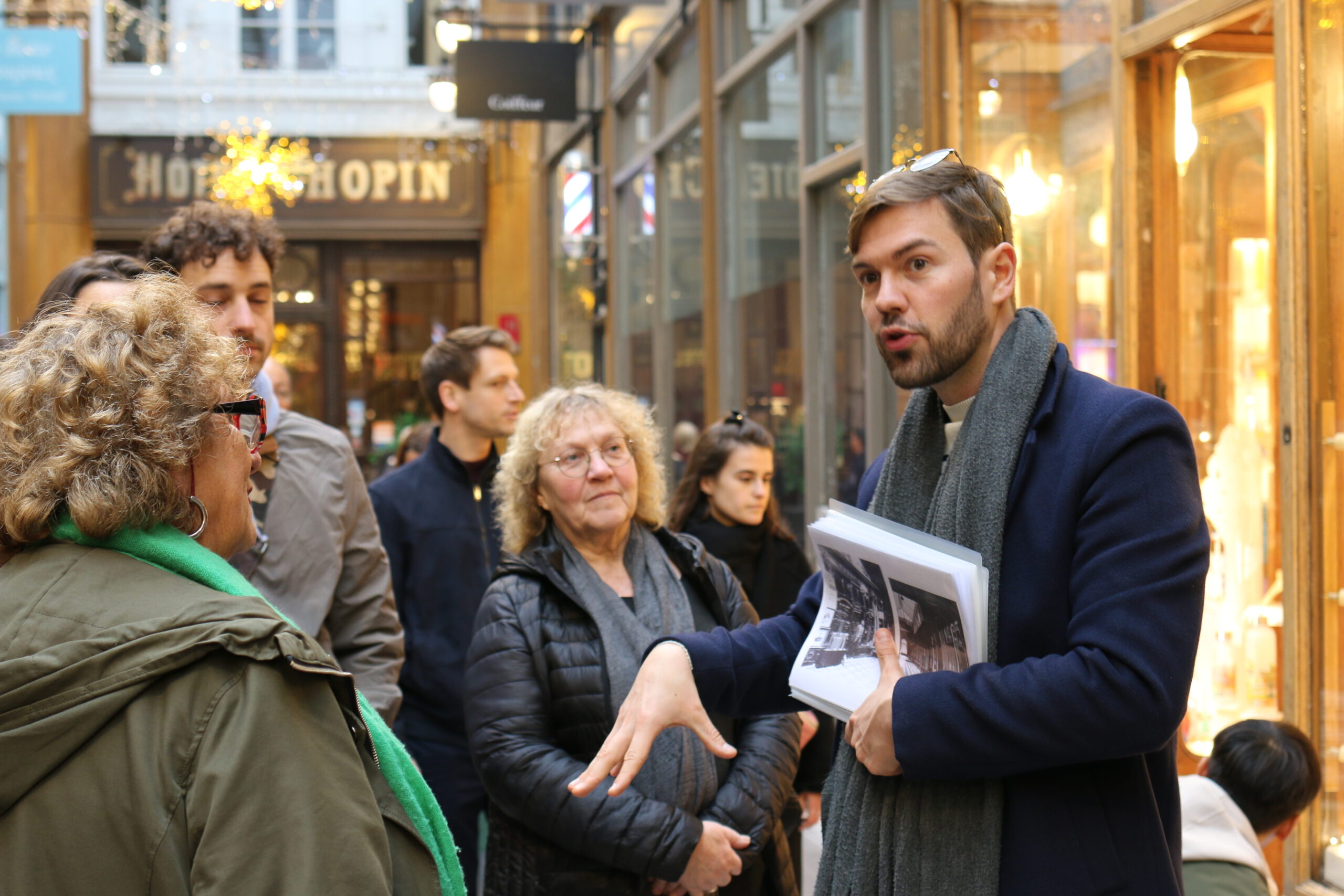
But we’ll also look at this architectural heritage through the lens of the upheaval of 1830, which these very passages bore witness to. Along the way, we’ll bring historical figures such as General Lafayette, Julie Cécile Fanfernot, Philippe d’Orléans and others back to life, bringing us closer to the events of the revolution.
Practical Information: The Revolution through the Covered Passages Guided Tour
Plan Your Visit
Meeting point: 1 Place Colette, 75001 Paris (in front of the Comédie-Française).
End point: 31 bis Rue du Faubourg Montmartre, 75009 Paris.
Public tour group size: Up to 10 participants.
Duration: 1 hour 30 minutes (up to 2 hours, depending on the group and walking pace).
Walking distance: 1.5 km.
Explore Further
Where to Eat
Le Grand Colbert
– Restaurant serving traditional French cuisine since 1910.
(2 Rue Vivienne, 75002 Paris)Canard et Champagne
– Restaurant set in a charming, wood-panelled interior with vintage décor.
(57 Passage des Panoramas, 75002 Paris)Bouillon Chartier – Grands Boulevards
– An authentic, traditional Parisian restaurant offering affordable meals.
(7 Rue du Faubourg Montmartre, 75009 Paris)
Where to Grab a Drink
Le Bar des Variétés
– The oldest bistro in the covered passages.
(12 Passage des Panoramas, 75002 Paris)
Cultural and Historical Sites
Musée Grévin
– Wax museum founded in 1882.
(10 Boulevard Montmartre, 75009 Paris)Bibliothèque Richelieu
– One of the most beautiful libraries in Paris, with a reading room open to visitors.
(58 Rue de Richelieu, 75002 Paris)