

Guided Tour of the Latin Quarter and May 1968
The Sorbonne: The Story of a University in Revolt
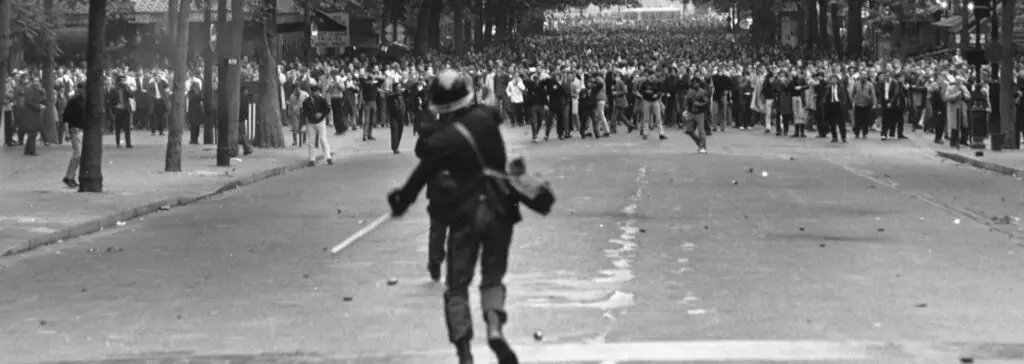
In May 1968, the Latin Quarter erupts. Paris and France revive a revolutionary past that had lain dormant for almost a century. Young students, weary of a consumerist society that refuses to listen to their demands, rise up in protest.
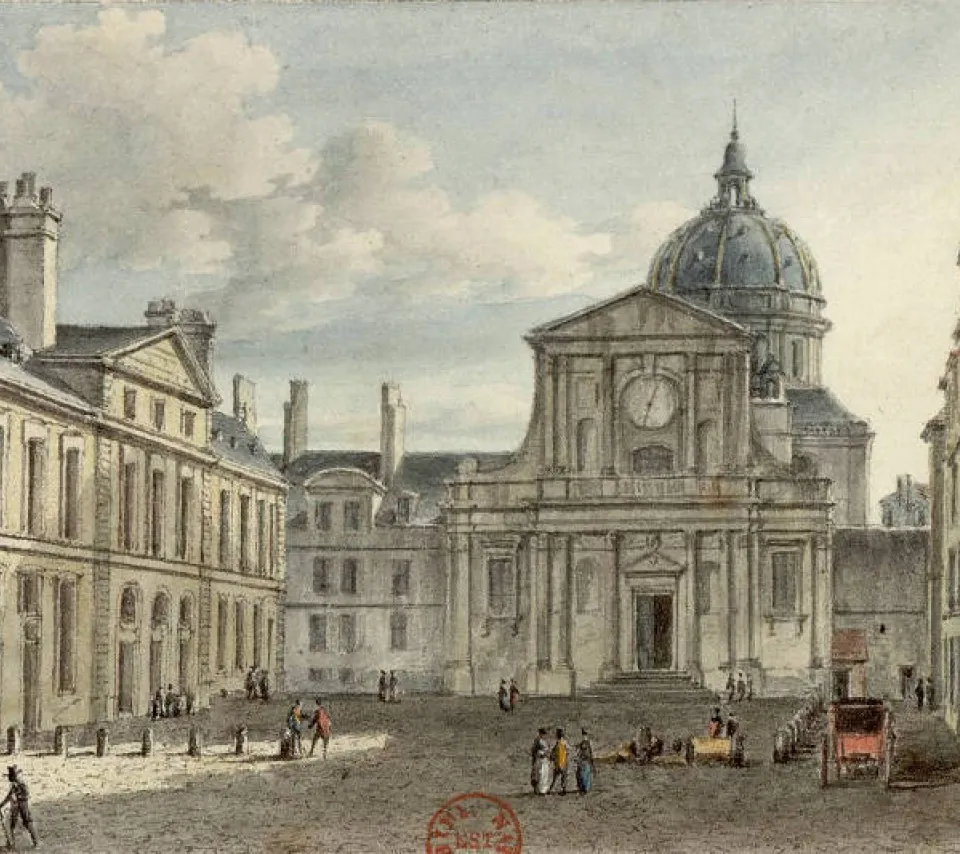
Although the movement begins at the University of Nanterre, northwest of Paris, it is the Sorbonne, perched on the Montagne Sainte-Geneviève in the Latin Quarter, that becomes the stage for clashes between students and the police. The eyes of the entire country turn towards this historic district of Paris, home to students and a population that is, in many cases, economically disadvantaged.
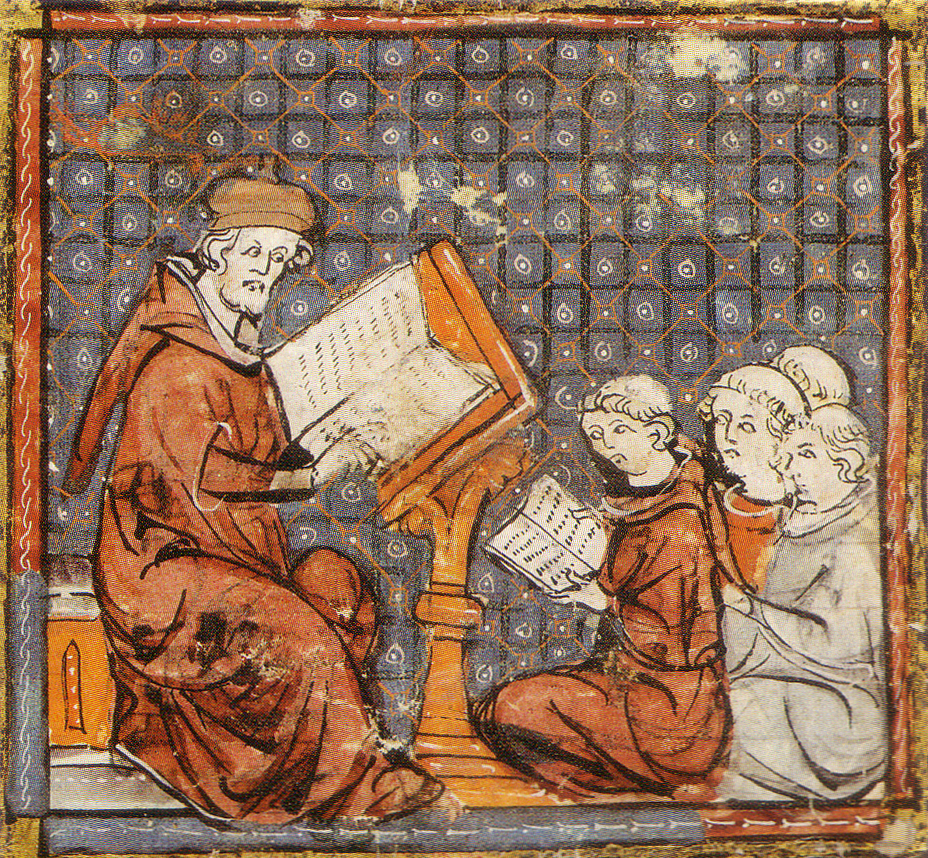
In less than a month, students joined by workers and members of civil society bring the government of the day to the brink. But do we really know how the events of May 1968 unfolded? And to what extent were they rooted in a long tradition of student protest—a history stretching back to the founding of the Sorbonne in the Middle Ages?

The Tour
I invite you to explore the Latin Quarter, undoubtedly one of the most iconic districts of the French capital. Yet behind the façades of its Haussmannian buildings and the gilded splendour of the grand monuments in Paris’s 5th arrondissement lies a far more turbulent history. It is the story of the academic world and its students, beginning in the Middle Ages and continuing to the present day. This tour takes you beyond the usual tourist routes to discover the real Latin Quarter and gain a deeper understanding of the history and identity of Paris’s student community.
The 5th arrondissement is, of course, more than just the setting for Emily in Paris: it is also one of the historic birthplaces of the city. Its Roman heritage recalls its ancient past, but it was the development of Montagne Sainte-Geneviève and the founding of the Sorbonne in the Middle Ages that truly shaped the character of this hill. Everywhere, traces of academic life can be found—in the street names, the buildings, the libraries and even the Ministry of Higher Education. We will set out to discover the remains and legacy of Paris’s first university, which has since become one of the best-known in the world.
We will explore who its students were and how they lived in this neighbourhood. We will see that, as far back as the Middle Ages, residents of the Left Bank already had a rebellious streak when it came to those in power. This turbulent history will take us all the way to May 1968, the high point of student protest, when the balance of power between the state and the French people was profoundly challenged.
We will discover how the Latin Quarter still pulses with student life today, and how the grievances that fuelled medieval protests are not so far removed from the demands being voiced in our own time. Along the way, we will encounter figures such as Saint Genevieve, Robert de Sorbon, Marie Curie, Josephine Baker and many others who have left their mark on this remarkable neighbourhood.
Practical Information: Bastille and Revolutionary Paris Guided Tour
Plan Your Visit
Meeting point: Square Samuel Paty, 75005 Paris (inside the square, in front of the sculpture of the Capitoline Wolf).
End point: Place de la Contrescarpe, 75005 Paris.
Public tour group size: Up to 10 participants.
Duration: 1 hour 30 minutes (up to 2 hours, depending on the group and walking pace).
Walking distance: 1.2 km (uphill).
Explore Further
Where to Eat
-
Le Petit Bal Perdu
– Bistro serving French cuisine. (32 Rue Tournefort, 75005 Paris)
Where to Grab a Drink
-
Rue Mouffetard – A lively street lined with numerous bars popular with students from the Montagne Sainte-Geneviève area.
(Rue Mouffetard, 75005 Paris) -
Le Piano Vache – A bar that has been open since 1969 and a long-standing institution of student life.
(8 Rue Laplace, 75005 Paris)
Cultural Attractions
-
Sainte-Geneviève Library – One of the most beautiful libraries in Paris.
(10 Place du Panthéon, 75005 Paris) -
Cluny Museum – National Museum of the Middle Ages (28 Rue du Sommerard, 75005 Paris)
-
The Grand Mosque of Paris (2 bis Place du Puits-de-l’Ermite, 75005 Paris)